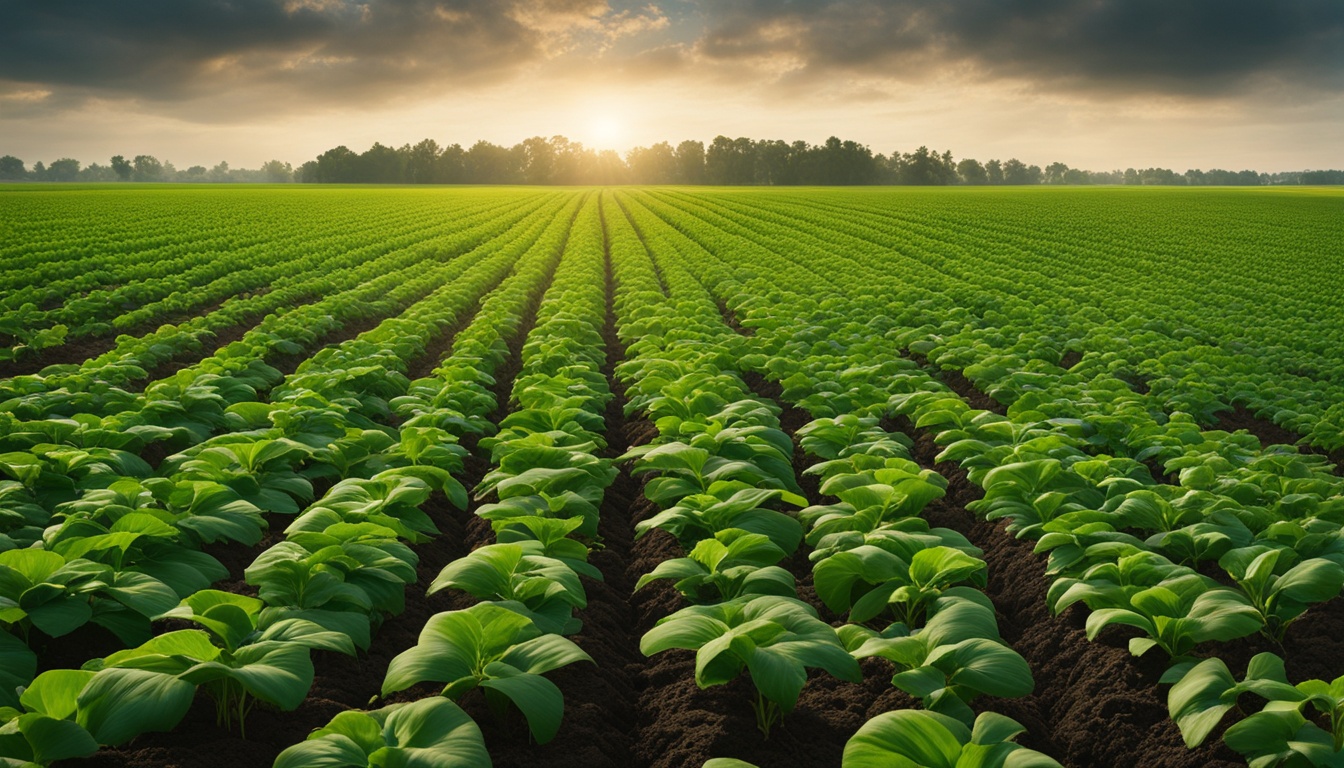
Soil is the base of life on Earth, giving us nutrients, water, and a home for plants and animals. But, we often forget how vital it is, which affects our environment, ecosystems, and farming. This article will show why soil health matters and its big impact on our world.
Healthy soil is full of tiny organisms, minerals, and organic stuff. This mix is key to keeping life going above and below ground. It helps our crops grow and keeps ecosystems alive. Soil health also fights climate change, stops soil from washing away, and keeps our environment clean.
What is Soil Health and Why Does it Matter?
Soil health is key to our planet’s well-being. It means the soil can support life and the processes that keep us going. Knowing about the soil ecosystem helps us keep our soils healthy.
Understanding the Intricate Ecosystem Beneath Our Feet
Soil is not just for plants to grow in. It’s alive with many organisms, from tiny bacteria to big insects. These creatures help break down food, cycle nutrients, and keep the soil balanced.
There are billions of microorganisms in a teaspoon of healthy soil. They work together, forming a web that’s vital for soil health.
The Role of Soil in Sustaining Life on Earth
Soil is the base of life on land. It gives plants the nutrients, water, and support they need. This helps feed animals and microorganisms that depend on plants.
It also helps control the Earth’s climate by storing carbon and affecting water flow. By valuing soil health, we can protect this vital resource for the future.
The Crucial Components of Healthy Soil
Healthy soil is key for sustainable farming and taking care of the environment. It’s built on a balance of elements like organic matter, fertility, structure, and nutrients. These elements help create a healthy ecosystem under our feet. They support plant growth and keep our crops healthy.
Organic Matter: The Foundation of Fertile Soil
Organic matter is a vital part of healthy soil. It comes from things like decomposed plants and animals. This matter is like the lifeblood of the soil, giving plants the nutrients they need to grow.
It boosts soil fertility and makes the soil better at holding water and giving out nutrients. The more organic matter in the soil, the healthier it is. As it breaks down, it releases important nutrients like nitrogen, phosphorus, and potassium.
This helps plants grow and increases crop yields. Adding organic matter also makes the soil structure better. It becomes more porous and full of air, which is good for beneficial microorganisms and plant roots.
Knowing how important organic matter is helps farmers and gardeners use sustainable methods. This keeps the soil fertile and strong for a long time.

Soil Biodiversity: The Invisible Workforce
Underneath our feet, a world full of life thrives. Soil is alive with everything from tiny bacteria and fungi to earthworms and insects. This hidden world is key to keeping our land healthy and fertile.
At the heart of soil life are tiny creatures like bacteria and fungi. They break down old plants and turn them into nutrients. They also make sure plants get the nutrients they need to grow.
Insects and other small animals add to the soil’s health. They make the soil airy, break down plant material, and keep pests away. They also feed bigger animals, linking the soil to the food chain.
Soil’s many creatures work together to keep the soil healthy. They help water soak in, stop soil from washing away, and make the soil rich in nutrients. These creatures tell us a lot about how healthy the soil is.
By protecting soil life, we keep our land and its services safe for the future. Healthy soil is key for growing food, keeping nature balanced, and fighting climate change.
The Impact of Soil Health on Agriculture
Sustainable farming depends a lot on soil health. Healthy soil is key to getting more crops and making them more nutritious. By focusing on soil health, farmers can use fewer chemicals, making farming better for the planet.
Boosting Crop Yields and Nutritional Value
Soil full of nutrients is vital for strong farms. When soil is full of life, it gives plants what they need to grow well. This means more food and better nutrition for everyone. Sustainable farming methods like cover cropping help make the soil better, making farms more productive.
Reducing Reliance on Chemical Fertilizers and Pesticides
Soil health does more than just help crops grow. It also cuts down on the need for harmful chemicals. By adding more organic matter and life to the soil, farmers can make their land healthier. This is good for the planet and helps make farming more sustainable.
Choosing sustainable farming and caring for soil can change how we grow food. Healthy soils lead to more food, better nutrition, and farming that’s good for the earth.
Nature Tips: Embracing Sustainable Soil Management Practices
Keeping our soil healthy is key for a sustainable future. We can all help by using eco-friendly soil management methods. Simple actions like composting and cover cropping can make a big difference.
Organic farming is a big part of sustainable soil care. It avoids harmful chemicals, letting nature do its job to enrich the soil. Composting turns waste into food for the soil, making it better at holding water and nutrients.
Cover cropping is another great way to help the soil. It involves planting cover crops between main crops to protect and enrich the soil. These crops prevent soil erosion, fight weeds, and add nitrogen, making the soil healthier.
No-till farming is great for those who love gardening. It doesn’t disturb the soil, keeping its structure and the tiny life living there safe. This leads to soil that’s more resilient and productive.
By using these methods, we can help our land and the food systems it supports. Together, we can make a greener, healthier future, one garden or farm at a time.
The Role of Soil in Combating Climate Change
The world is facing big challenges with climate change. Soil plays a key role in fighting these challenges. Healthy soils can take carbon out of the air and store it in the ground. This process, called soil carbon sequestration, is a natural way to fight climate change.
Carbon Sequestration and Greenhouse Gas Mitigation
Soils are vital for ecosystems and can store a lot of carbon. When managed well, they act as a carbon sink. They capture and store carbon dioxide through plant growth and organic matter buildup.
This reduces greenhouse gas emissions and makes ecosystems more resilient. By using sustainable soil practices like no-till farming and cover cropping, we can increase carbon storage in soils. This helps fight climate change by lowering the impact of human activities on the environment.

Soil health is key in the fight against climate change. Healthy soils don’t just store carbon; they also reduce greenhouse gas emissions from agriculture and land use. By focusing on soil health, we can boost land productivity and resilience while fighting the global climate crisis.
Soil Erosion: A Pressing Environmental Concern
Soil erosion and degradation are big problems that threaten our land and resources. Healthy soil is key for life on Earth. It supports ecosystems, helps farming, and fights climate change. But, bad land use has harmed our soil a lot.
Causes and Consequences of Soil Degradation
Intensive farming, overgrazing, and deforestation cause soil erosion. These actions upset the soil’s balance. They lead to losing organic matter, nutrients, and soil damage from wind and water.
This erosion means less land for farming, lower crops, and harm to ecosystems. The effects go beyond farming. Eroded soil can pollute water, hurting aquatic life and clean water for people and crops. It also adds to climate change by releasing stored carbon.
We need to tackle soil erosion with many strategies. This includes using sustainable farming, protecting soil, and improving soil health. By doing this, we can keep our soil safe for the future.
Urban Soils: Bringing Soil Health to Cities
As cities grow, we must focus on soil health for sustainable living. Urban soils are key to green spaces, farms, and city well-being. They often get ignored but are crucial for a healthy city.
The Importance of Green Spaces and Urban Farming
Parks, gardens, and farms make cities look good and support many plants and animals. They keep soil healthy by adding organic matter and helping microbes. Urban farming lets people improve soil and enjoy fresh, local food.
Restoring urban soils is a chance to make neglected or polluted areas green again. By using sustainable methods, cities can clean up land, cut pollution, and make places healthier for everyone.