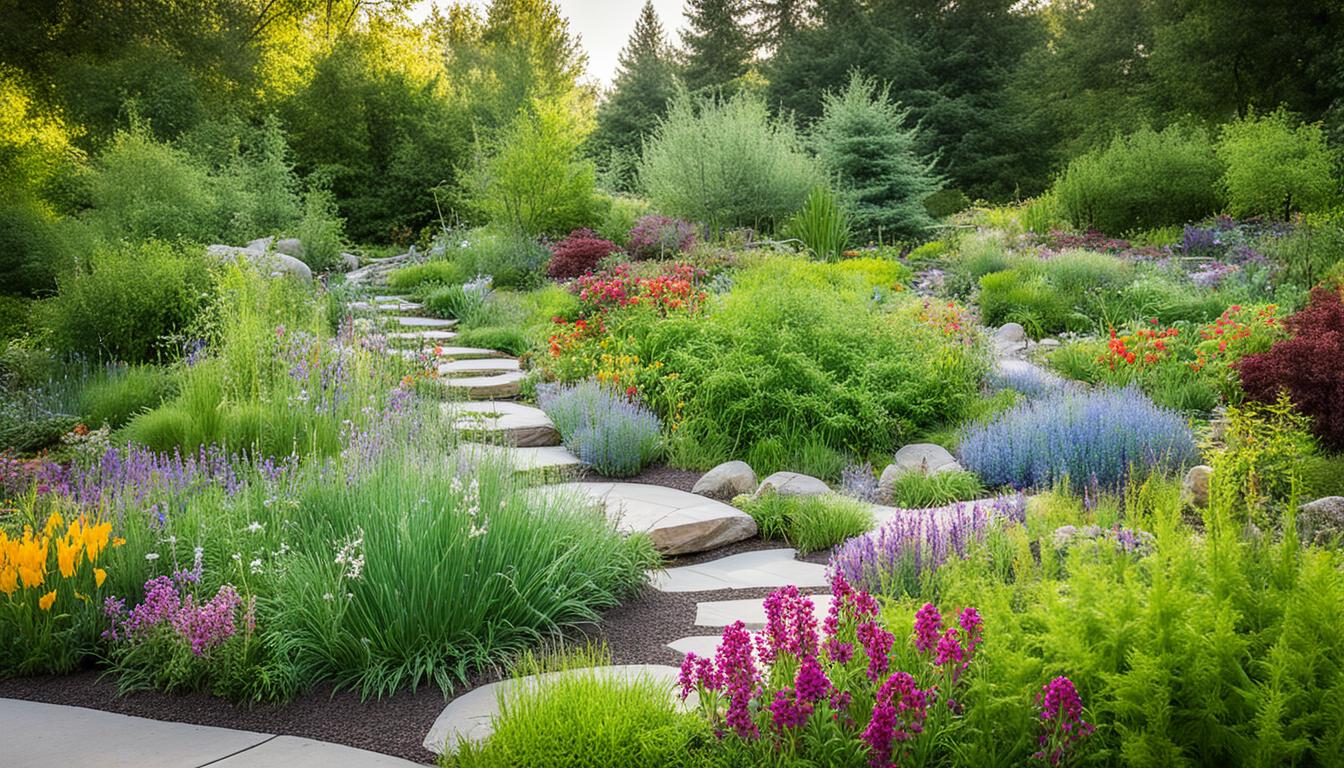
Adding native plants to your garden can greatly benefit the local environment and your garden’s look. These plants are from your area and bring many advantages. They boost biodiversity, help local wildlife, and make a sustainable, easy-care garden that shows off your regional ecosystems.
Native plants fit well with your local climate and soil, needing less water and care. They’re perfect for drought-resistant and low-maintenance gardening. Plus, they draw in many pollinators, like bees and butterflies, which keeps your local flora and animals balanced.
Using native plants in your garden boosts your property’s curb appeal and helps protect your regional ecosystem. These plants keep the natural look of your landscape, creating a sense of place and connection to your area.
Choosing native plants for your garden is a simple yet powerful way to help your community and the environment. It’s a chance to honor your local heritage and create a strong, sustainable garden that grows easily.
Embracing Nature’s Bounty
Creating a vibrant and sustainable garden means using native plants. These plants are made for your local climate, soil, and environment. They need little care and show off your area’s unique beauty.
The Beauty of Local Flora
Native plants are a feast for the eyes, with many colors, shapes, and textures. They have everything from the tiny wildflowers to big trees and shrubs. Adding them to your garden makes it look beautiful and true to your area.
Biodiversity in Your Backyard
Native plants are more than pretty. They keep your local ecosystem balanced. They give homes and food to many animals like bees, birds, and small mammals. By choosing native plants, you help your local wildlife and ecosystems.
Low-Maintenance Gardening
Creating a beautiful garden doesn’t have to be hard. Using native plants makes your garden look great and helps the environment. These plants need less water, food, and pest control, perfect for busy people or those wanting a greener garden.
Native plants fit well with the local weather and soil, so they need less care. This means you save time and help the planet. By using less water and letting nature do its work, your garden will be healthy and easy to keep up.
Adding native plants to your garden changes everything. These tough plants make your garden look good and help local wildlife. By choosing native plants, you get a beautiful garden with less work. This lets you enjoy your outdoor space more.
Nature Tips: Effortless Landscaping
When designing your garden, think about using drought-resistant native plants. These plants are made to do well in your local climate. They need less water, making them perfect for places with little water or drought.
By picking drought-tolerant native plants, you get a beautiful garden. You also help save water and lessen your environmental impact.
Drought-Resistant Plant Selections
Native plants fit well with your local climate and soil. They grow easily with little care. Look for drought-resistant plants like purple coneflower, blue mist shrub, and Indian blanket. These plants can handle dry spells and hot weather.
Using drought-resistant native plants in your garden is easy and smart. These plants use less water, which helps save water in your area. By choosing native, drought-tolerant plants, you create a lovely, easy-care garden that fits with your local environment.

Attracting Pollinators
Native plants are key to supporting bees, butterflies, and hummingbirds. They have evolved with these pollinators, offering them nectar and pollen. By adding native plants to your garden, you help these vital species. This keeps your local ecosystem balanced and supports the environment’s health.
Creating a Haven for Bees and Butterflies
Bees and butterflies are crucial for pollination. They need a variety of native plants to survive. Planting nectar-rich flowers and host plants draws these pollinators to your garden. Species like milkweed, coneflowers, and black-eyed Susans are great choices.
But it’s not just about food. Creating a wildlife habitat means leaving some areas wild or adding rock piles or small water sources. These features support pollinators and boost biodiversity. With a few simple actions, your garden can become a lively home for bees, butterflies, and other wildlife.
Preserving Regional Ecosystems
When you plant native plants in your garden, you’re doing more than just beautifying your space. You’re also helping to protect your local ecosystem. Native plants are key to the balance of life in your area, offering food and homes for many plants and animals. By choosing native plants, you support your local environment and help protect its natural beauty.
Native plants fit perfectly with your region’s climate and soil. They need less care and are stronger than plants from other places. This means your garden will look great and help your local ecosystem thrive. These plants feed and shelter local wildlife, like bees, butterflies, birds, and small mammals.
On the other hand, non-native plants can harm your ecosystem. They can crowd out native plants and mess with the food chain. By picking native plants for your garden, you’re helping to keep your area’s unique plants and animals safe.
Using native plants in your garden is good for the environment. It means you use less water, fewer fertilizers, and no pesticides. This makes your garden better for the planet and shows you care about the environment. Native plants make your garden beautiful and true to your area’s spirit.
Connecting with Your Environment
Using native plants in your garden helps you feel closer to your local area and your sense of place. These plants are special because they grow well in your region. They show you the beauty of your area’s natural heritage and teach you to care for the environment.
This connection can make you want to protect your local ecosystems. You’ll work to keep your area beautiful for future generations. This way, they can also enjoy the beauty and variety of your region.
Fostering a Sense of Place
Adding native plants to your garden means more than just making it look nice. It connects you to your area’s history and character. These plants are made to live in your climate and soil, showing off your region’s unique identity.
Being around these plants makes you feel like you belong. You’ll appreciate the natural beauty that makes your community special. It’s a way to feel a deeper bond with where you live.
Native plants can also make you want to protect the environment. Learning about the plants that live in your area and their importance can motivate you. You might start helping with conservation efforts, volunteering, or even fixing up native habitats in your yard.
Native plants help you feel a strong connection to your place. This feeling of belonging can change your daily life. It makes you value nature more and encourages you to protect your area’s identity and natural heritage.

Sustainable Gardening Practices
Using sustainable gardening practices is key to lowering your environmental impact and creating a garden that’s easy to care for. By choosing native plants, you cut down your carbon footprint and help your local ecosystem. This makes your garden better for the environment.
Reducing Your Carbon Footprint
Non-native plants need a lot of water, frequent mowing, and chemicals to stay healthy. This increases your garden’s carbon footprint. Native plants, on the other hand, fit well with your local climate and soil. They need less care and use fewer resources.
These plants also support local pollinators and wildlife, keeping your ecosystem balanced. This gardening method is good for nature and saves resources. It also lowers your impact on the planet.
It’s not just about the plants you pick. Using mulch and drought-resistant ground covers can make your garden even more eco-friendly. By focusing on native plants and using smart gardening techniques, you can have a lovely garden. You’ll also reduce your carbon footprint and help your local ecosystem.
Celebrating Local Heritage
Using native plants in your garden is more than just good for the environment. It’s also a way to honor your region’s cultural and historical roots. These plants have been important for centuries, used in traditional medicine and ceremonies. By growing them, you connect with your local heritage and the traditions that shape your community.
This bond with your region can make you more environmentally conscious and appreciative of nature. Native plants are key to your local heritage, showing off your area’s unique history and culture. By planting them, you celebrate your region’s legacy and the traditions passed down through generations.
Native plants hold deep cultural significance in your community. Some were used in sacred rituals or as food by indigenous peoples. Adding these plants to your garden lets you honor your community’s rich heritage and connect with its stories.
Choosing native plants means you’re not just making a beautiful, sustainable garden. You’re also keeping your region’s identity and history alive. This act of caring for the environment can bring your community closer together. Celebrate the heritage of these plants and make a garden that shows off your community’s vibrant spirit.
Enhancing Curb Appeal
Native plants bring many benefits to your garden, not just for the environment and your health. They can also make your outdoor space look better. By using these plants, you can make your yard look great and increase your home’s value.
Boosting Property Value
Studies show that homes with nice gardens have a higher value. This is true if those gardens use native plants. So, choosing native plants for your garden is a smart move for homeowners.
It makes your garden look good and helps the environment. Plus, it might make your home worth more when you decide to sell it.
Using sustainable landscaping with low-maintenance native plants makes your yard stand out. It shows you care about the planet and your home’s look. This can make your property more attractive to buyers.
Want to make your home look better or create a beautiful garden? Native plants are the way to go. They can increase your home’s value and give you a garden that’s easy to take care of. Plus, it will look great with the nature around it.
Cultivating a Resilient Garden
As our climate changes, growing a resilient garden is more important than ever. Native plants are perfect for this challenge. They’re adapted to our local weather and can handle drought, extreme heat, and unpredictable weather. By using native plants, you make your garden beautiful and help the environment.
Adding plants native to your area helps your garden and the local ecosystem. These plants are tough and can survive with little water. They’re perfect for environmental adaptation. With native plants, your garden will stay healthy as the climate changes.
Choosing sustainable landscaping with native plants makes your garden strong against climate change. This choice makes your garden look great and helps protect your local environment.