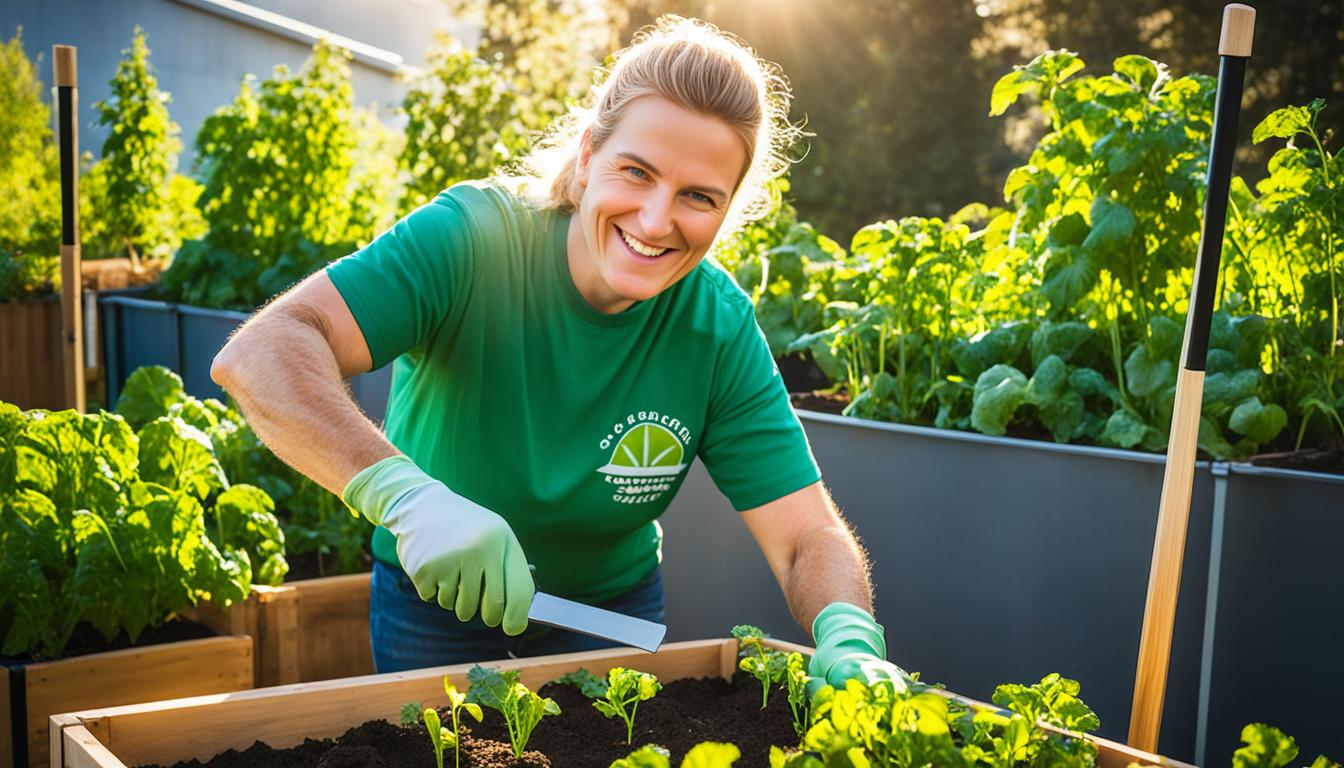
Gardening lovers, get excited! Making your own raised bed garden is a fulfilling way to grow a backyard full of fresh, organic food. Raised bed gardening has many benefits, like better soil and drainage, and it makes caring for your plants easier. This guide will help you, whether you’re new to gardening or have been doing it for years, build and keep a successful raised bed garden.
Raised bed gardening changes the game by making growing plants better in many ways. It lets you control the soil, drainage, and how easy it is to get to your plants. This means your garden will be healthier and more productive. With raised beds, you work at a comfortable height, which is easier on your back and knees. It also stops the soil from getting compacted and helps air get to your plants.
Whether you want a garden full of veggies, to try organic gardening, or just a beautiful backyard, this guide has what you need. It will give you the knowledge and tools to make your raised bed gardening dreams come true. So, let’s get started and build your own raised bed garden!
What is a Raised Bed Garden?
A raised bed garden is a way to garden that puts your plants above the ground. It’s a method that’s gaining popularity among gardeners of all levels. It offers many benefits that make it a great choice for growing plants.
Benefits of Raised Bed Gardening
One big plus of a raised bed garden is the better soil quality. By using top-notch soil and compost, you create a perfect spot for your plants to grow. This leads to healthier plants and more produce, even in tough soil.
Raised garden beds also help with drainage. The design lets water flow away from roots, stopping waterlogging. This is great for areas with heavy clay or poor drainage.
Another perk is how easy they make gardening for you. You can easily get to your plants without straining your back or knees. This is a big plus for older gardeners or those who have trouble moving around.
The benefits of raised bed gardening include better soil, drainage, and easier access. These features make gardening more successful and fun. Knowing about these benefits can help you decide if raised beds are right for your garden.
Choosing the Perfect Location
Finding the right spot for your raised bed garden is key. The right location can turn your garden into a lush oasis or a patch of struggling plants. When looking at raised bed garden location options, keep these important factors for raised bed placement in mind for the best growth.
Factors to Consider for Optimal Growth
First, make sure your garden gets enough sunlight. Most plants need at least 6 hours of direct sunlight daily. So, put your raised beds in a sunny spot. Also, being close to a water source is a big plus, making watering easier and keeping plants healthy.
Think about how easy it is to get to your garden. Having your raised beds near your backdoor or a path makes caring for them simpler. This also helps you use your space well and blend the garden into your outdoor area.
Lastly, consider the slope and drainage of the land. Raised beds do best on flat, well-draining ground. This avoids water pooling or soil washing away. Choose a raised bed garden location that’s flat and drains well for the best plant conditions.
By looking at these factors for raised bed placement, you can pick the perfect raised bed garden location. This will help you start a thriving and lovely raised bed garden.
Preparing the Raised Bed Foundation
Before you start building your raised bed garden, make sure the ground is ready. This groundwork is key for a garden that will do well for many years. First, level the garden bed site and clear it of any plants or debris. This makes a smooth, even spot for your raised beds.
Good drainage is crucial for a successful raised bed garden. If your area drains poorly, think about adding gravel or putting in a drainage system. This stops water from pooling and helps your plants grow well.
After the ground is level and drains well, you can begin building your raised bed garden foundation. A strong base like this supports your beds well, keeping the soil moist and full of nutrients. With some prep work, you’ll have a raised bed garden that gives you lots of food year after year.
Selecting the Right Materials
Choosing the right materials for your raised bed garden is key. You need to look at the good and bad of each option to make sure your garden does well for a long time. Rot-resistant wood and recycled materials are two top choices.
Rot-Resistant Wood vs. Recycled Materials
Rot-resistant wood like cedar or redwood is often picked for raised beds. These woods are strong and can handle the weather, making them a good choice. But, they might cost more than some other options.
Recycled materials, such as untreated lumber or concrete blocks, are cheaper. They let you add eco-friendly practices to your garden. Untreated lumber is affordable and still gives your raised beds the support they need. Concrete blocks are not as pretty but can be very durable and long-lasting.
Choosing between wood and recycled materials depends on your budget, what you like, and your garden’s needs. Think about your options carefully to pick the best materials for a successful raised bed garden.
Constructing the Raised Bed Frame
Building a raised garden bed is a rewarding project that can change your outdoor space into a thriving oasis. It’s a key step in the process to construct the raised bed frame. This frame will be the base for your garden. It’s a project that anyone, from DIY experts to beginners, can do.
First, gather the materials you need. This includes rot-resistant wood like cedar or redwood, and screws, nails, or other fasteners. Measure the spot where you’ll put your raised bed and decide on its size. This ensures the wood fits well and is secure.
With your wood cut and ready, start building the frame. Lay out the side panels and attach them to the end panels with your chosen fasteners. Make sure the corners are square and secure for stability. You can also try adding decorative corners or angled sides for a unique look.
Check your work as you go to make sure the frame is level and strong. Paying attention to details will help when you fill it with soil and plant your favorite plants.
Filling the Raised Bed with Soil
Choosing the right soil mix is key for a thriving raised bed garden. The soil’s quality affects your plants’ health and growth. A good soil blend is crucial for a successful harvest.
Creating the Perfect Soil Mix
For the best soil mix, combine nutrient-rich organic soil with amendments that drain well. Use a mix of raised bed soil, compost, and perlite or vermiculite for a solid base.
Start with quality soil mixture for raised beds that’s weed and pest-free. Add lots of compost to increase fertility and water retention. Finally, add perlite or vermiculite for better drainage and air flow.
Creating the perfect organic soil for raised gardens sets your plants up for success. With the right soil, your garden will flourish and give you a great harvest.

Nature Tips: Companion Planting for Raised Beds
Unlock the secrets of nature in your raised bed garden with companion planting. This method boosts natural pest control and improves plant health and yields. By pairing plants wisely, you create a balanced ecosystem that benefits you.
Choosing plants with complementary needs is key in companion planting. For example, marigolds with tomatoes keep away aphids and nematodes and enrich the soil. Basil near your raised garden beds wards off mosquitoes and draws pollinators, leading to more beneficial plants for raised gardens.
Adding a mix of natural pest control in raised beds attracts beneficial insects like ladybugs and lacewings. These insects eat common garden pests. This approach cuts down on chemical use, making your garden more eco-friendly.
When planning your raised bed, think about using companion planting to enhance your garden. Pairing herbs with vegetables and flowers with crops opens up many options. Let nature guide you to a thriving garden with these proven strategies.
Irrigation and Drainage Solutions
Keeping your raised bed garden healthy and productive means getting irrigation and drainage right. It’s important to pick the best watering system and drainage methods for your plants. Let’s look at the different solutions for raised bed gardens.
A drip irrigation system is a great choice for raised beds. It waters plants slowly and directly at their roots, saving water and ensuring they get just the right amount. This method prevents water from pooling and helps your plants stay moist.
If you want a low-maintenance option, consider self-watering systems. These have a reservoir that feeds water to the soil slowly. They’re perfect for busy gardeners or those away from home often.
Good drainage for raised beds is key to avoid waterlogged soil and healthy plants. Adding gravel or crushed rock at the bottom helps with drainage. Also, drainage holes in the bed frame can improve water flow away from your plants.
Choosing the right watering system for your raised gardens and ensuring good drainage creates the best environment for your plants. Whether it’s drip irrigation, self-watering, or drainage solutions, pick what works best for your garden.
Designing Your Raised Bed Layout
Creating the perfect raised bed garden layout is key to using your space well and making it easy to reach your plants. Think about the size of your area, how many beds you can fit, and where to place them for the best use of space.
Maximizing Space and Accessibility
Raised bed gardening lets you use your space wisely. Start by looking at the size of your garden spot and plan your raised bed design ideas with that in mind. Put the beds together in a way that uses space well and leaves enough room for paths.
Adding paths or stepping stones makes getting to your raised beds easier. This makes caring for your plants and picking your crops simpler. A well-thought-out layout also makes your raised bed garden layout look better.

Try out different raised bed design ideas, like rectangular, L-shaped, or curved beds, to use your space in raised gardens well. Planning your bed layout carefully helps you make a beautiful and useful raised bed garden. It also makes gardening more enjoyable.
Maintaining Your Raised Bed Garden
Keeping a raised bed garden healthy means you need to care for it regularly. Weeding your raised beds stops unwanted plants from taking over. Adding mulch helps keep the soil moist, stops weeds, and keeps the soil warm. This makes your garden grow longer.
It’s important to manage pests well in your raised beds. Check your plants often for bugs or diseases. Use safe, green methods to fix any problems quickly. This keeps your plants healthy and your garden full of food.
To make your growing season last longer, use things like cold frames or row covers. These protect your plants from frost and let you grow more kinds of crops all year. With some extra work, your raised bed garden will keep giving you fresh, tasty food.