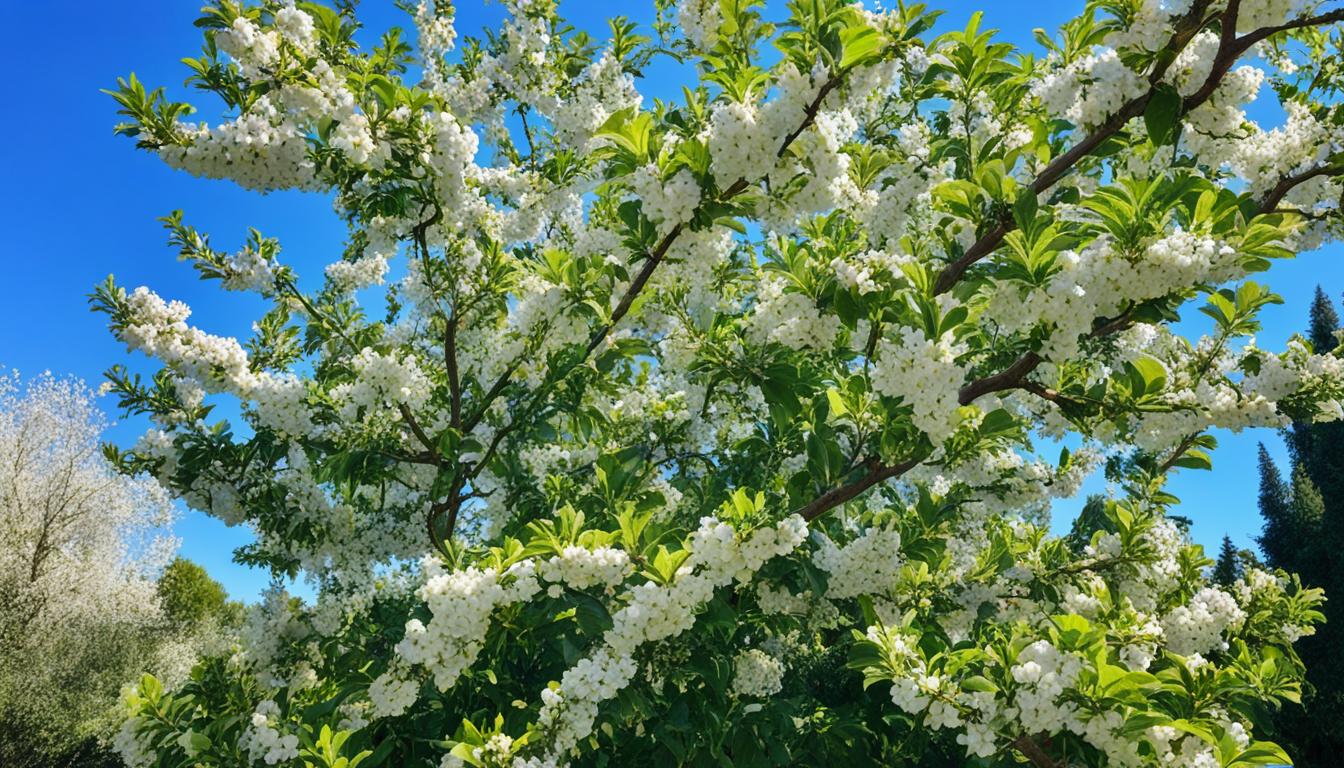
Growing a fruit tree orchard in your backyard is rewarding and can give you lots of fresh, tasty fruit. This guide has 10 key tips for anyone wanting to grow fruit trees. It covers everything from knowing your local climate to pruning and protecting your trees. Follow these nature-focused strategies to make a sustainable, fruitful orchard. Enjoy the taste and freshness of your own fruit with these expert tips on fruit tree growing, backyard orchards, and sustainable horticulture.
Understanding Your Climate
Growing fruit trees requires knowing your local climate. Choosing the right fruit trees means picking ones that fit your area’s climate. By looking at your growing zone and yard’s microclimates, you can pick trees that will do well.
Choosing the Right Fruit Trees
Every fruit tree needs certain conditions to grow well. Some like warm weather, while others prefer cooler climates. Before picking your trees, check the USDA hardiness zone for your area. Choose trees that fit your local conditions for a healthy and productive orchard.
Microclimates in Your Yard
Looking at your yard’s microclimates is also key. Things like sun exposure, wind patterns, and elevation can affect growing conditions. By analyzing these, you can find the best spots for different fruit trees. This helps them grow well from the start.
Understanding your climate, picking the right trees, and finding the best spots in your yard will help you create a great orchard. These steps are crucial for a successful fruit tree planting. They ensure a productive and sustainable harvest.
Preparing the Soil
Healthy, nutrient-rich soil is key for fruit trees to thrive. Before planting, it’s crucial to prepare the soil well. This means testing the soil and adjusting the pH and nutrient levels if needed.
Soil Testing
Start by testing the soil. A soil test tells you about the pH, nutrients, and soil type. This info helps you know what soil amendments you might need for your fruit trees.
You can buy a soil testing kit at a local nursery or garden center. Or, call your county extension office for a professional soil analysis. With the test results, you can choose the right soil amendments.
Amending the Soil
After the soil test, you might need to add organic matter like compost or manure. This improves soil structure and boosts nutrients. If your soil is too acidic or alkaline, add lime or sulfur to fix the pH.
Adding these amendments before planting your fruit trees helps them get the nutrients they need. This leads to healthy, productive trees that can fight off pests, diseases, and environmental challenges.
Proper Planting Techniques
Planting your fruit trees correctly is key for their success. You need to prepare the hole, handle the roots, and plant at the right depth. These steps will help your trees grow well for a long time.
Start by digging a wide, shallow hole. It should be twice as wide as the tree’s root ball but not too deep. This helps the roots spread out, not grow down. Make the soil in the hole loose so the roots can easily get into it.
When dealing with the roots, always handle the tree by the root ball, not the trunk. Put the tree in the hole so the root flare is level with the soil. Spread the roots out to prevent them from circling or tangling.
Make sure you plant the tree at the right depth. It should be planted at the same depth it was in the nursery. The root flare should be visible at the soil surface. Burying the tree too deep can cause root rot and trunk decay.
By using these fruit tree planting, root care, transplanting, and planting depth tips, you’ll set your fruit trees up for success. With a strong start, they’ll flourish in your garden or orchard for many years.
Watering and Irrigation
Keeping the right amount of moisture is key for your fruit trees to grow well. The right watering and irrigation can greatly help your orchard grow and produce more. We’ll look at how to set up a good watering schedule, use different irrigation systems, and check soil moisture levels. This ensures your trees get just the right amount of water.
Establishing a Watering Schedule
Having a regular watering schedule is vital for your fruit trees. The amount of water they need changes based on the climate, soil, and tree type. Young trees usually need 1-2 inches of water a week. Mature trees might need 2-4 inches during the growing season.
By watching the soil moisture and adjusting your watering, you can give your trees the perfect amount of water. This helps them grow well and produce more fruit.
Tools like moisture meters or tensiometers can help you know when and how much to water. They show the soil’s moisture level. This lets you adjust your watering to make sure your trees get the right amount of water.
Many fruit growers use irrigation systems like drip or sprinkler systems. These systems make watering easier and more efficient. They can be set to give your trees exactly what they need, often using less water than manual methods.
Pruning for Healthy Growth
Proper pruning is key to keeping your fruit trees healthy and productive. It shapes the trees, promotes growth, and stops diseases from spreading. By learning the basics of pruning, you can help your trees grow strong and give you lots of fruit for many years.
Pruning Basics
Timing is everything when pruning fruit trees. Do it in late winter or early spring, before new growth starts. This way, cuts heal fast and disease risk goes down. Always use sharp, clean pruners and cut just above an outward-facing bud or branch.
Pruning also helps your trees get enough sunlight and air. By cutting back competing branches, you make room for healthy fruit to grow. It also gets rid of damaged, diseased, or dead wood. This keeps pests away and stops diseases from spreading.
By following these easy pruning tips, your fruit trees will stay strong, healthy, and full of fruit. A little care each season means a big reward of a thriving fruit tree orchard.
Nature Tips for Pest Control
Keeping your fruit trees healthy is key for a great harvest. Instead of using harsh chemicals, try nature-based methods to control pests and diseases. Using organic pest control, beneficial insects, and natural deterrents helps your trees stay healthy.
Attracting beneficial insects is a great way to fight pests. Ladybugs, lacewings, and parasitic wasps eat pests like aphids and caterpillars. Planting native flowers and herbs makes a safe home for these insects, reducing the need for chemicals.
Using natural deterrents also helps keep pests away. Garlic, chili pepper, and water mix can keep pests off your trees. Neem oil and diatomaceous earth are also good options. These natural deterrents keep your trees safe without harming the environment.
For the best pest control, use a mix of methods. Combine beneficial insects, natural deterrents, and careful watching. This way, you can keep your fruit trees healthy and your ecosystem balanced. With some effort, you’ll get a great harvest and a healthy orchard.
Fertilizing for Optimal Fruit Production
Proper fertilization is key for lots of fruit and healthy trees. Knowing the difference between organic and chemical fertilizers helps you make a good plan. This plan meets your trees’ needs. With the right nutrients, your trees will grow well and give you lots of fruit.
Organic vs. Chemical Fertilizers
Gardeners often choose between organic and chemical fertilizers for fruit trees. Organic options like compost, manure, and bone meal give nutrients slowly, just like nature does. They also help the soil and its tiny life, which is important for soil health. Chemical fertilizers give nutrients fast but might not help as much in the long run.
Choosing between organic and chemical fertilizers depends on what you prefer, your budget, and your trees’ needs. Think about your soil, climate, and tree growth stage. This helps you make a fertilization plan that works best for your trees.

Using both organic and chemical fertilizers can be the best way to feed your fruit trees. Keep an eye on how your trees do and change your fertilizing as needed. This way, you can have a garden that gives you lots of tasty fruit every year.
Protecting Your Trees from Harsh Weather
Fruit trees can face damage from extreme weather like frost, heat, and strong winds. But, you can protect your trees with the right strategies. Here are some ways to keep your trees safe from harsh weather.
For frost protection, using frost blankets is key. These fabrics trap heat and keep frost away from your trees. Covering your trees at night keeps them safe from freezing temperatures.
Keeping your trees warm in winter is also crucial. Mulching around the base with wood chips or straw helps insulate the roots. This simple step can greatly improve your trees’ ability to withstand cold weather.
Preventing sunscald is another challenge. Sunlight can cause bark to crack and peel, harming your trees. Wrapping trunks with materials like burlap or tree wrap protects them from this damage.
By taking steps to weather-proof your fruit trees, you reduce the risk of weather stress. With frost protection, winter insulation, and sunscald prevention, your trees will thrive. This way, you can enjoy their benefits for years to come.
Harvesting and Storing Fruit
Knowing when to pick your fruit and how to store it is key for keeping your homegrown produce fresh. By following these tips, you can enjoy your fruit tree orchard for months. This way, you get to enjoy the fruits of your labor longer.
Picking at the Right Time
Finding the best time to pick your fruit takes some practice. For apples, look for ones that are firm, brightly colored, and come off the tree easily. Pears are usually picked a bit before they’re fully ripe. They get sweeter after they’re picked.
Watch for changes in your fruit’s look, feel, and how easily it comes off the tree. Picking when the fruit is almost ripe helps avoid spoilage. Waiting too long can make the fruit overripe and spoil.
Storing Fruit for Short and Long-Term
After picking, storing your fruit right is crucial for keeping it fresh. Most fruits stay fresh in the fridge for a few days to weeks, depending on the type.
For keeping fruit for a longer time, consider canning, making jam, or dehydrating. These methods let you enjoy your harvest all year. Always handle your fruit carefully and keep it in a cool, dry spot to prevent damage or spoilage.
Companion Planting for Fruit Trees
Growing a fruit tree orchard is more than just about the trees. Adding companion plants can make your garden healthier and more sustainable. This method, called polyculture, means growing different plants together. It creates a diverse and connected ecosystem.

One big plus of companion planting is it helps control pests naturally. Some plants keep pests away from your fruit trees. For instance, marigolds near your trees can keep nematodes and other pests away.
Companion plants also boost soil health. They fix nitrogen, draw in good insects, and stop soil erosion. This makes a better home for your fruit trees. It also brings more pollinators like bees and butterflies, which are key for fruit trees.
When picking plants to be with your fruit trees, think about what they offer. Herbs like lavender, rosemary, and thyme are great choices. So are flowers like yarrow, echinacea, and borage. They add beauty and help your fruit trees stay healthy.
Creating a Sustainable Orchard
Building a sustainable fruit tree orchard means looking at the big picture. It’s about using permaculture and regenerative agriculture to create a self-sustaining space. This way, you’ll have less waste, more wildlife, and plenty of fruit every year.
Key to a sustainable orchard is managing it like nature does. This means using many types of plants, growing cover crops, and avoiding harmful chemicals. These steps help your fruit trees thrive and are good for your family and the planet.
To start a sustainable horticulture project, first get to know your local environment. Look at the soil, weather, and the plants and animals around you. This helps you design an orchard that fits perfectly with nature. It keeps your trees healthy and creates a home for many helpful creatures.