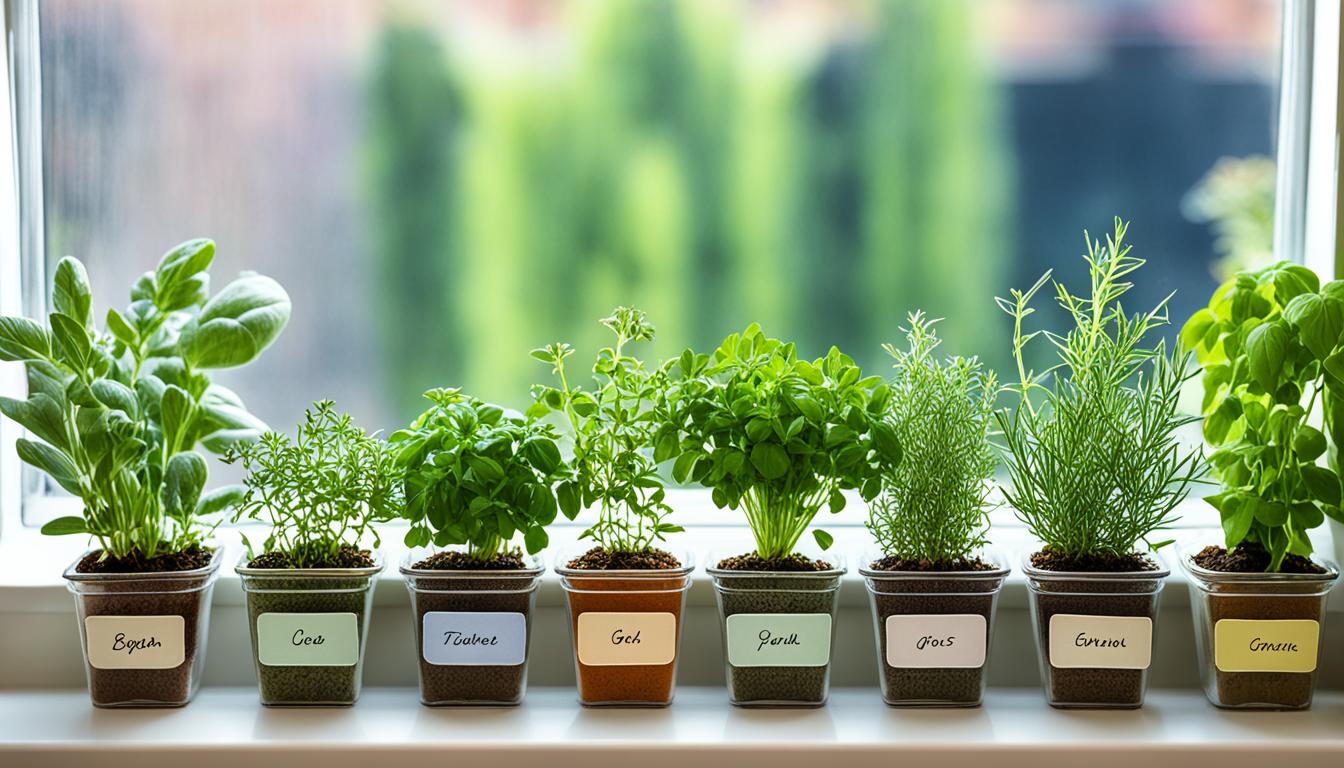
Growing herbs indoors can be both rewarding and delicious. It lets you enjoy fresh herbs all year. Whether you’re experienced or new to indoor gardening, these 10 key tips will help you succeed. You’ll learn how to meet your herbs’ needs, get enough sunlight, and water them right. This guide will help you create a lush indoor herb garden at home.
Nature Tips: Mastering the Art of Indoor Herb Gardening
Growing herbs indoors is both rewarding and flavorful. It doesn’t matter if you’re new to gardening or have years of experience. Knowing what your indoor herbs need is crucial for a successful garden. This guide will help you with everything from sunlight to choosing the right containers.
Understanding Your Herbs’ Needs
Start by learning about each herb’s specific needs. Some, like basil and thyme, love bright sunlight. Others, such as parsley and chives, do better in the shade. Knowing this will help you create the best environment for each herb.
Choosing the Right Containers
The container you pick is important for your herbs’ health and growth. Choose containers that drain well and give the roots room to spread. This prevents waterlogging and root rot. Make sure to consider the size and depth each herb needs.
By understanding your herbs’ needs and picking the right containers, you’re on your way to great indoor herb gardening. With a bit of care, you can enjoy fresh, tasty herbs right at home.
Maximizing Sunlight Exposure
Sunlight is crucial for indoor herbs to stay healthy and strong. Whether your space gets a lot of sun or is quite dark, you can make sure your herbs get enough indoor herb lighting and sunlight for indoor herbs.
First, check how much light your home gets. Some herbs can grow well in the shade, while others need lots of sunlight. Try different spots to see where your herbs grow best.

If your home doesn’t get enough sunlight, think about getting a grow light. These lights copy the sun’s spectrum and help your herbs grow. Place the lights near your plants and turn them on for the right amount of time each day.
Too much or too little sunlight can harm your herbs. Watch how they grow and change things if needed. With some trial and patience, you’ll have a great indoor herb garden, no matter the light.
Proper Watering Techniques for Indoor Herbs
Keeping the right balance of moisture is key for healthy, flavorful indoor herbs. Proper watering is crucial for your plants to thrive and produce lots of herbs. It’s important for both new and experienced gardeners to know how to spot over- or under-watering signs.
Recognizing Signs of Over- or Under-Watering
Watching your indoor herbs closely is the best way to make sure they get the right water. Too much water can cause yellow leaves, wilting, and root rot. Not enough water makes leaves dry and brittle. By noticing these signs, you can adjust your watering to keep your herbs healthy and bright.
The aim of watering indoor herbs is to keep the soil moist, not soaking or dry. How often you water depends on your containers, the herbs, and your home’s conditions. Checking the soil often and adjusting your watering helps you find the perfect balance for your herbs.
Creating an Ideal Growing Environment
Creating the right indoor space is key for your herb garden’s success. Herbs need specific temperatures and humidity levels to thrive. Knowing these needs helps you make the best indoor space for your herbs.
Temperature and Humidity Considerations
Most herbs like temperatures between 65°F and 75°F. Some, like basil and oregano, prefer warmer temperatures. Others, like chives and parsley, like it cooler.
Keeping your indoor herb garden in this temperature range is crucial. It helps with healthy growth and keeps the herbs smelling great.
Humidity is also vital for your herbs. They do best in a humidity of 40% to 60%. Too little humidity can stress your plants and make them vulnerable to pests and diseases. Too much humidity can cause mold and fungal problems.
Using a hygrometer to check humidity levels helps you keep things perfect. By controlling temperature and humidity, you give your herbs the best conditions to grow. This care can lead to a lush, full indoor herb garden.
Nutrient-Rich Soil: The Foundation of Healthy Herbs
Growing healthy indoor herbs starts with great soil. Nutrient-rich soil gives your herbs the vitamins and minerals they need to grow well. It’s key to know what makes good soil for your indoor herbs.
Soil pH is very important. Most herbs like soil that’s a bit acidic to neutral, between 6.0 to 7.0. This makes sure they can get the nutrients they need.
Also, your soil should drain well and have organic stuff like compost or peat moss. These add nutrients and help keep the soil right, stopping water from pooling. This lets your herbs’ roots breathe and grow strong.
By picking the right mix and adding what’s needed, you can make a great indoor herb garden. You’ll get lots of tasty, healthy herbs.
Pruning and Harvesting for Continuous Growth
Keeping an indoor herb garden alive and thriving takes careful attention. Pruning and harvesting your herbs regularly is key. By doing this, you make sure your herbs keep giving you fresh, tasty leaves and stems for cooking.
When and How to Prune Your Herbs
Pruning your indoor herbs helps them grow well and stops them from getting too long. Prune every few weeks, or when they start to look messy. Cut off any dead, damaged, or discolored leaves and stems. This keeps your herbs looking good and encourages new growth.
Use clean, sharp scissors or shears for pruning. Make cuts just above healthy leaves or stem nodes. Don’t cut too close to the base, as it can harm the herbs. Leave a few inches of stem for new growth. Prune often to keep your herbs productive and healthy.

Harvesting your herbs regularly is also crucial. Take off leaves or stems as you need them, but don’t take too much. This way, the plant keeps producing new growth. It ensures you always have fresh herbs for cooking.
Tackling Common Pests and Diseases
Even the best indoor herb gardens can face problems with pests and diseases. This section will show you how to spot and fix common issues like aphids, mildew, and nutrient shortages. This will help keep your herbs healthy and growing well.
Aphids are a big problem for indoor herbs. These tiny bugs can eat away at your plants, making them grow poorly and causing leaves to look strange. To fight aphids, try using natural enemies like ladybugs or lacewings. Or, use a mild insect soap. Checking your plants often and acting fast is important to keep pests under control.
Powdery mildew is another issue indoor herb growers face. This disease looks like a white powder on leaves and can really hurt your plants. To beat mildew, make sure your plants have good air flow, lower the humidity, and use a baking soda or neem oil mix.
Herbs can also lack nutrients, which can make leaves look bad, grow slowly, and cause other problems. Make sure your herbs are in soil that has lots of nutrients. If needed, add a balanced liquid fertilizer. Watching for signs of nutrient problems helps you deal with pests and diseases early.
By being careful and using natural ways to control pests, you can beat the challenges of indoor herb pests and diseases. This will help your herbs stay healthy and make your cooking better.
Herb Combinations that Thrive Together
Some herbs do great when grown together. They have flavors and growth habits that work well together. By picking the right herbs to pair, you can make a beautiful indoor garden. This garden will look great and use your space well.
Complementary Flavors and Growth Habits
Basil and tomatoes are a great match because their flavors go well together. Basil also grows bushy, which can shade and protect herbs like cilantro that like a bit of shade. Rosemary and sage are another good pair. They both have strong stems and need similar water, so they grow well together.
Parsley and chives are another great pair. Parsley has a deep flavor that goes well with chives’ mild onion taste. They grow differently, so they don’t fight over space. By choosing the right herbs to grow together, you can make a garden that’s full of variety and flavor.